
 中文简体






Kupujúci pošle dva vzorníky pre ten istý letný bežecký top. Obe sú označené úpletom odvádzajúcim vlhkosť. Obe vyzerajú na vešiaku identicky a stoja od seba do troch percent. Jedna zaschne za men...
Čítať ďalej
Pletené látky na mieru
-
Spandex sezamový bod s vysokou elastickou pruhovanou jamkovou tričkovou látkou
-
Priedušná a pohodlná digitálna tlač bavlnená koľka Tkanina
-
Digitálna tlač priedušnej životného prostredia Plaid Cotton Triktily
-
SESAME-Point CRISP PRÍPRAVA JACQUARD TRUBE
-
Jednostranná jackárová kepina s mäkkou vlnou tričko Tkanina
-
Vodná absorbujúca rýchlo sa sušená antibakteriálna digitálna tlačiareň
-
Digitálna tlač Pohodlná priedušná tričká
-
Košeľa Pohodlná priedušná digitálna tlačová tkanina
-
Bavlnená digitálna tlač priedušnú košeľu
-
Dvojitá žací
-
Sesame-Point Easy Care LA Priedušná a pohodlná pruhovaná tkanina košeľa s košeľou s bavlnko-polyestermi
-
Spandex Jersey pokožka priateľská k mäkkému hodvábnej bavlnenej lakovacej látke LA
O
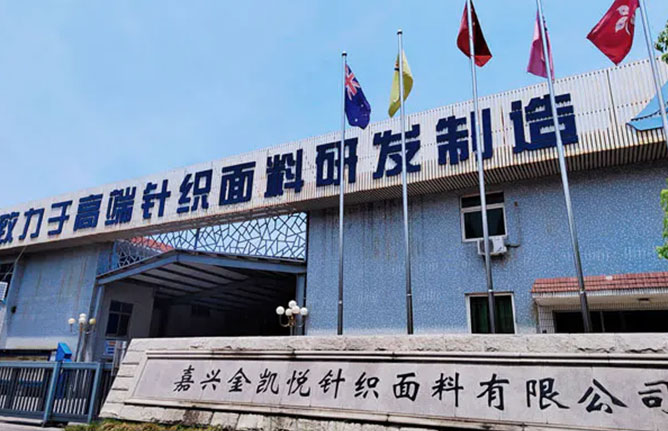
Jiaxing JinkAiyue Knitted Fabric Co., Ltd.
Založená v roku 2000, Jiaxing Jinkaiyue Knitted Fabric Co., Ltd. Spoločnosť sa venuje výrobe vysoko kvalitných pletených látok a špecializuje sa na širokú škálu látok vrátane hodvábu, dlhotrvajúcej bavlny, ľanu, vlny, kašmíru a rôznych zmesových vlákien.
Ako
Čína Pletené odevy na mieru Výrobca a
džersejová tkanina Továrne a dodávatelia, Spoločnosť Jin Hyatt používa pokročilé kruhové pletacie stroje, ktoré dokážu vytvoriť rôzne typy úpletov pre jednoduché a dvojité úplety. Naše produkty zahŕňajú hladký steh, rebrovaný steh, žakárový steh a zložitejšie pletacie procesy, ako je pletenie s vysokým vlasom, pletenie s jednou bublinkou, pletenie s prenosom slučiek, pletenie šálov, pletenie s očkami, pletenie so švajčiarskym rebrom a šesťvrstvové rímske pletenie. Ponúkame
Priedušná pletená tkanina predať.
Spoločnosť má približne 300 zamestnancov, z ktorých 20 % sa zaoberá výskumom a vývojom, technológiami a dizajnom. Na zabezpečenie vyššej kvality investovala spoločnosť Jin Kaiyue do najmodernejších zariadení z Talianska, Nemecka, Švajčiarska, Japonska a Taiwanu.
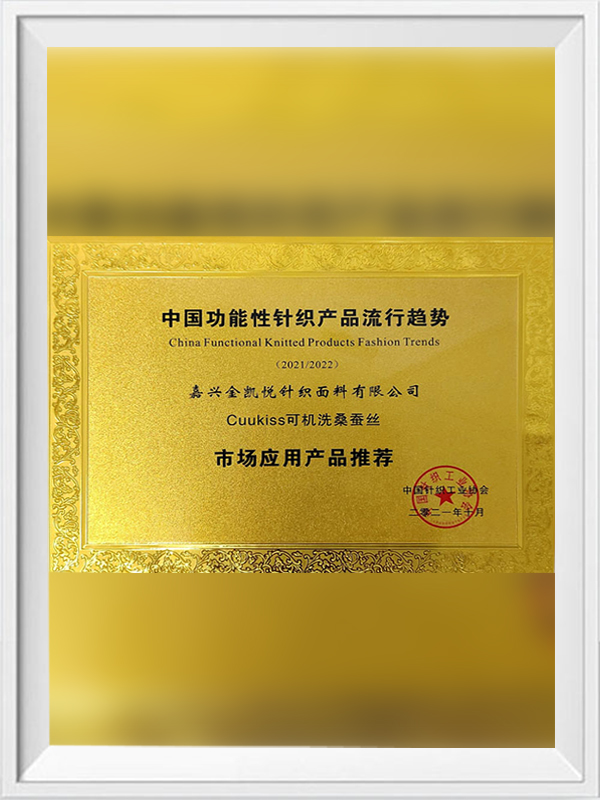
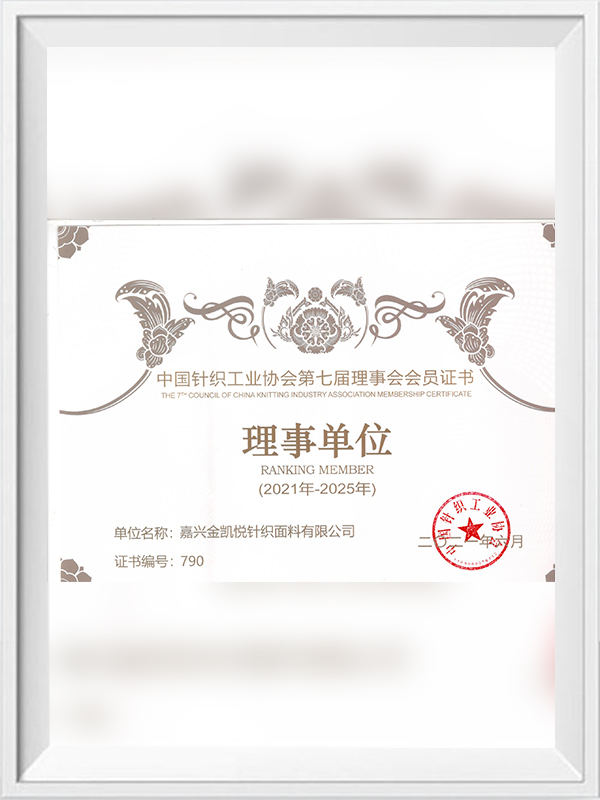
Čestný certifikát
Novinky
-
-
Na stole pristane technický balík pre 180 GSM tričko s výstrihom. Prvá vzorka ukazuje na stupnici 171 GSM a po troch domácich umytiach sa telo skrátilo o 6 %. V dizajne sa nič nezmenilo – zmenil...
Čítať ďalej -
Prvý pletený projekt zvyčajne končí rovnakým spôsobom: lem trička z džerseja, ktorý sa vlní ako stuha, a ramenný šev, ktorý praskne pri prvom prevlečení cez hlavu. Zriedkavo je na vine látka. Pl...
Čítať ďalej -
Dva mlynčeky dokážu ponúknuť 220 g/m2 bavlnený prepletený úplet a napriek tomu vám poskytnú materiály, ktoré sa správajú ako dva rôzne produkty. Jedna sa vyperie až na 214 g/m2, stratí približne...
Čítať ďalej -
Pique úplet si zasluhuje svoje miesto vo výrobnej linke z jednoduchého dôvodu: vyrovnáva štruktúru s ventiláciou. Polo golier potrebuje látku, ktorá drží ostrý okraj. Aktívna škrupina potrebuje ...
Čítať ďalej
Výrobky Znalosť odvetvia
How to ensure that knit apparel fabrics have uniform color and are not easy to fade during dyeing or printing?
Knit apparel fabrics are widely welcomed in the market because of their softness, breathability and good elasticity. However, knitted fabrics often face problems such as uneven color and easy fading during dyeing or printing. This not only affects the beauty of the product, but also reduces its durability. In order to overcome these challenges, it is necessary to start from multiple aspects to ensure that knitted fabrics have uniform color and are not easy to fade during dyeing or printing.
1. Optimize fabric pretreatment
The pretreatment of fabrics is the basis for ensuring the quality of dyeing or printing. First, ensure that knitted fabrics do not leave obvious traces during the weaving process, such as weft skew, weft bend, etc. These defects will be more obvious after dyeing or printing, affecting the overall appearance. Secondly, the fabric needs to be fully washed and degreased to remove impurities and oil stains on the surface to ensure that the dye can penetrate evenly.
2. Choose high-quality dyes and auxiliaries
The selection of dyes is crucial. High-quality dyes are not only bright in color, but also have good permeability and color fixation. When choosing dyes, they should be reasonably matched according to the composition and dyeing requirements of the fabric. For example, for cotton knitted fabrics, reactive dyes should be selected, while for synthetic fibers such as polyester, disperse dyes should be selected. In addition, it is necessary to add appropriate amounts of auxiliaries such as leveling agents and fixing agents to improve the uniformity and fastness of dyeing.
3. Strictly control the dyeing process
During the dyeing process, parameters such as dyeing temperature, time and pH value need to be strictly controlled. Different fabric compositions and dye types require different dyeing conditions. For example, reactive dyes are usually dyed at room temperature of about 60 degrees, while polyester needs to be dyed at a high temperature of 125-130 degrees. In addition, it is necessary to ensure that the dyeing liquid can flow into the dyeing area evenly and continuously, which can be achieved by using advanced dyeing equipment such as overflow dyeing machines. The overflow dyeing machine uses a specific design to enable the dyeing liquid to be evenly distributed on the fabric to ensure the uniformity of color.
4. Strengthen the control of printing process
For printed fabrics, in addition to selecting suitable printing slurry and dyes, it is also necessary to strengthen the control of the printing process. First of all, it is necessary to ensure the clarity and accuracy of the printed pattern to avoid blurring and dislocation. Secondly, the viscosity and fluidity of the printing paste should be controlled to ensure that the printed pattern can be evenly penetrated into the fabric fiber. Finally, sufficient drying and color fixing treatment are required to improve the fastness and durability of the printed pattern.
5. Color fixing treatment and finishing
After dyeing or printing, color fixing treatment is required to lock the color and improve color fastness. Common color fixing methods include the use of color fixing agents and heat treatment. In addition, the performance and appearance of the fabric can be further improved through finishing processes such as softening and anti-wrinkle treatment.
6. Use of advanced equipment and technology
Advanced equipment and technology are one of the key factors to ensure the quality of dyeing or printing of knitted fabrics. For example, Jiaxing Jinkaiyue Knitted Fabric Co., Ltd. uses advanced circular knitting machines, which can not only create a variety of stitches for single-sided knitting and double-sided knitting, but also ensure that the fabric has better uniformity and stability during the weaving process. This lays a solid foundation for the subsequent dyeing or printing process. At the same time, the company is also equipped with advanced dyeing and printing equipment, as well as a strict quality control system, which ensures that the knitted fabrics have uniform color and are not easy to fade during the dyeing or printing process.
It takes many aspects to ensure that the knit apparel fabrics have uniform color and are not easy to fade during the dyeing or printing process. By optimizing fabric pretreatment, selecting high-quality dyes and auxiliaries, strictly controlling the dyeing process, strengthening the control of the printing process, performing color fixation and finishing, and adopting advanced equipment and technology, the dyeing or printing quality of knitted fabrics can be significantly improved to meet the market demand for high-quality knitted clothing. As a leader in the knitted fabric industry, Jiaxing Jinkaiyue Knitted Fabric Co., Ltd. has ensured its leading position in the market by continuously introducing advanced technology and equipment, as well as a strict quality control system.
Naše výrobné kapacity sú doplnené silnými výskumnými a vývojovými kapacitami, čo nám umožňuje realizovať veľké množstvo projektov s lepšou kvalitou a kratšími termínmi.
Výrobné kapacity
Silné výrobné kapacity zvyšujú vašu konkurencieschopnosť
-

Aby spoločnosť Jin Hyatt zabezpečila lepšiu kvalitu, investovala do najmodernejších strojov z Talianska, Nemecka, Švajčiarska, Japonska a Taiwanu.
-

Spoločnosť sa zaoberá najmä rôznymi materiálmi vrátane morušového hodvábu, bavlny s tekutým amoniakom, vlny, kašmíru, športových látok a rôznych zmesí vlákien.
-

Spoločnosť efektívne riadi skladovanie surovín a hotových výrobkov, integruje celý výrobný proces a zlepšuje celkovú efektivitu.
-

Spoločnosť sa zameriava na trh s vysoko kvalitnými pletenými látkami a venuje 20 % svojej pracovnej sily výskumu a vývoju s cieľom zvýšiť hodnotu produktov a konkurencieschopnosť.
autorské práva © Jiaxing JinkAiyue Knitted Fabric Co., Ltd.
