中文简体
中文简体
Kompletný technický sprievodca atletickým úpletom – výkon, pohodlie a inovácie v športovom oblečení.
Atletická pletenina
Atletická pletenina je základom moderného športového oblečenia – navrhnutá pre výkon, pohodlie a odolnosť. Od základných vrstiev odvádzajúcich vlhkosť až po kompresívne podporné odevy sú tieto špecializované úplety navrhnuté tak, aby sa pohybovali s telom, regulovali teplotu a zlepšovali športový výkon.
Výkon
Sloboda pohybu
Regulácia teploty
Čo je atletická pletenina
Atletická pletenina je špecializovaná textília vyrobená z prepletených priadzí, aby vytvorila pružný, priedušný a na výkon orientovaný materiál navrhnutý špeciálne pre športové a aktívne oblečenie. Na rozdiel od tkaných látok ponúkajú pletené štruktúry vynikajúcu flexibilitu, zotavenie a pohodlie – základné vlastnosti odevov, ktoré sa musia počas fyzickej aktivity pohybovať s telom.
Kategória atletických úpletov zahŕňa širokú škálu konštrukcií, od ľahkých jednoduchých dresov pre základné vrstvy až po husté, kompresné dvojité úplety pre podporné odevy. Voľba vlákna, priadze a techniky pletenia určuje výkonnostné charakteristiky tkaniny, vrátane riadenia vlhkosti, tepelnej regulácie, roztiahnutia a regenerácie a odolnosti.
Moderné atletické úplety sú skonštruované s použitím pokročilých vlákien, ako je polyester, nylon, spandex/elastan, a stále viac udržateľných možností, ako je recyklovaný polyester a materiály na bio báze. Tieto vlákna sú kombinované so špecializovanými pletenými štruktúrami, aby sa dosiahli špecifické výkonnostné vlastnosti – kanály odvádzajúce vlhkosť, ventilačné zóny a cielené kompresné oblasti – ktoré zvyšujú športový výkon a pohodlie.
Vývoj atletického úpletu bol poháňaný požiadavkami športovcov a rastom trhu s aktívnym oblečením. Dnešné látky sú ľahšie, priedušnejšie a odolnejšie ako kedykoľvek predtým, pričom inovácie v technológii vlákien a technikách pletenia pokračujú v posúvaní hraníc toho, čo je možné v športovom oblečení.
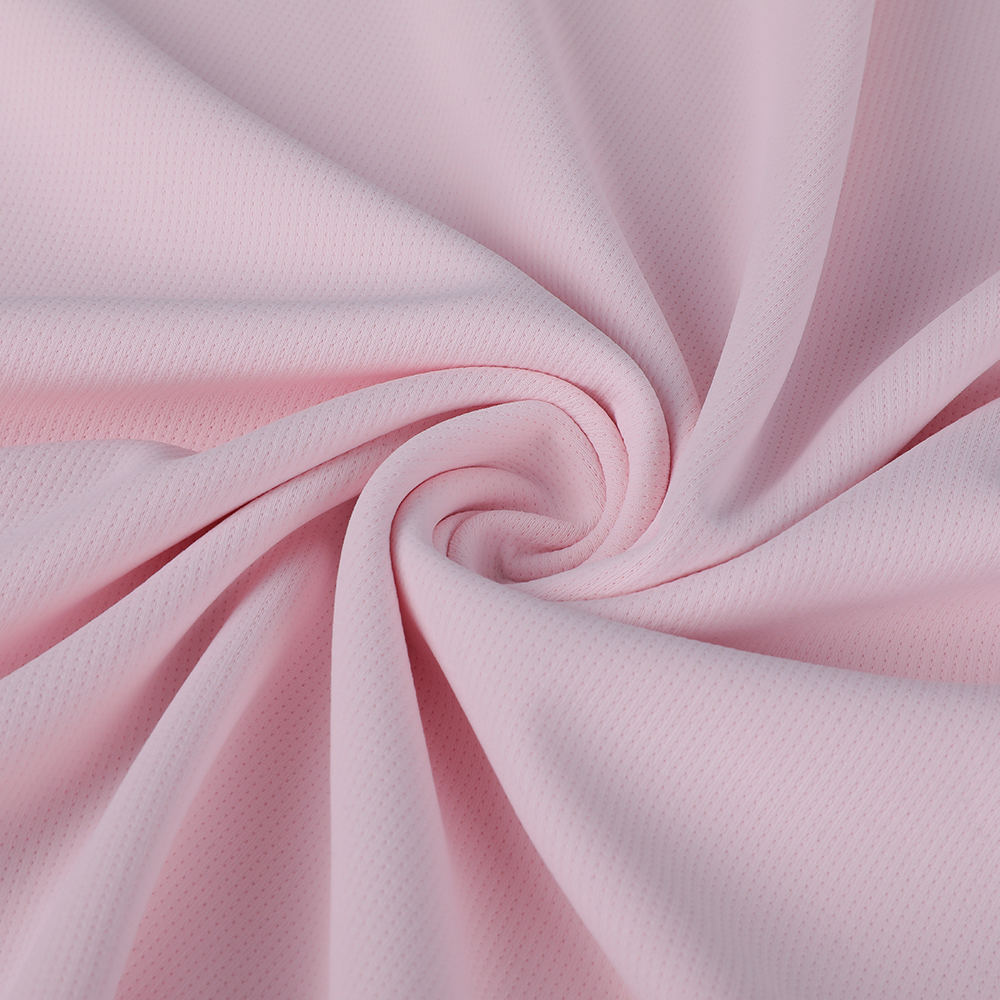
Atletická pletenina je miestom, kde sa veda stretáva so športom – navrhnutá tak, aby podávala rovnako tvrdé výkony ako športovci, ktorí ju nosia.
Kľúčové vlastnosti a výkonové charakteristiky
Atletické úplety sú definované súborom výkonnostných charakteristík, ktoré ich odlišujú od bežných textílií. Tieto vlastnosti sa dosahujú starostlivým výberom vlákien, priadzí a techník pletenia.
Atletické úplety sú navrhnuté tak, aby odvádzali vlhkosť od pokožky a odvádzali pot na vonkajší povrch, kde sa môže rýchlo odparovať. To je dosiahnuté pomocou hydrofóbnych syntetických vlákien, ktoré neabsorbujú vlhkosť, v kombinácii s pletenými štruktúrami, ktoré vytvárajú kanály pre transport vlhkosti. Výsledkom je suchá a príjemná mikroklíma pri pokožke.
Vysokovýkonné atletické úplety ponúkajú výnimočné roztiahnutie a zotavenie, čo umožňuje odevom pohybovať sa s telom a zároveň si zachovávať svoj tvar. Vlákna spandex/elastan poskytujú pružnosť, zatiaľ čo pletená konštrukcia zaisťuje konzistentné zotavenie. Štvorsmerný streč je štandardom u prémiových atletických úpletov a poskytuje voľnosť pohybu vo všetkých smeroch.
Pletené štruktúry sú prirodzene priedušné, s otvorenými priestormi medzi priadzami, ktoré umožňujú cirkuláciu vzduchu. Atletické úplety sú často navrhnuté s ventilačnými zónami – oblasťami otvorenejšej konštrukcie – na zlepšenie prúdenia vzduchu v oblastiach s vysokým potením, ako je chrbát, podpazušie a hrudník.
Napriek svojej ľahkej konštrukcii sú atletické úplety navrhnuté pre trvanlivosť. Vysokopevnostné vlákna, vystužené priadze a starostlivá pletená konštrukcia zaisťujú, že tkaniny odolajú opakovanému praniu, oderu a namáhaniu pri atletickom pohybe.
Atletické úplety sú navrhnuté tak, aby pomáhali regulovať telesnú teplotu. V teplých podmienkach uľahčujú odvod tepla vďaka priedušnosti a odparovaniu vlhkosti. V chladnejších podmienkach česané alebo fleece podložené úplety poskytujú izoláciu a zároveň umožňujú únik vlhkosti.
Niektoré atletické úplety sú navrhnuté s kompresnými vlastnosťami, ktoré poskytujú podporu svalov a zlepšujú krvný obeh. Kompresné tkaniny sú zvyčajne konštruované s vyšším obsahom spandexu/elastanu a pevnejšími pletenými štruktúrami na vytvorenie požadovaného tlaku.
Typy atletických úpletov
Atletické úplety sú dostupné v širokej škále konštrukcií, z ktorých každá je vhodná pre špecifické aplikácie a výkonnostné požiadavky.
Ľahké, mäkké a priedušné. Single Jersey je najzákladnejšia pletená konštrukcia, ktorá ponúka dobrú pružnosť a zakrytie. Bežne sa používa na základné vrstvy, tričká a ľahké aktívne oblečenie. Tkanina má hladkú lícnu stranu a mierne štruktúrovaný chrbát s dobrými vlastnosťami odvádzania vlhkosti, keď je vyrobená zo syntetických vlákien.
Dvojité úplety, ktoré sú ťažšie a stabilnejšie ako jednoduchý džersej, ponúkajú lepšiu štruktúru a odolnosť. Používajú sa na odevy vyžadujúce viac tela a podpory, ako sú legíny, športové podprsenky a vonkajšie vrstvy. Dvojité úplety tiež poskytujú lepšiu kryciu schopnosť a môžu byť navrhnuté pre kompresné vlastnosti.
Rebrové úplety sa vyznačujú zvislými hrebeňmi na oboch stranách a ponúkajú výnimočnú pružnosť a zotavenie. Často sa používajú na manžety, goliere a pásy, ako aj na priliehavé odevy, ktoré si vyžadujú dobré udržanie tvaru.
Variácia rebrovaného úpletu s dvoma vrstvami slučiek navzájom prepletených. Interlockové tkaniny sú hladké na oboch stranách, stabilné a na okrajoch sa nekrútia. Používajú sa na prémiové aktívne oblečenie a základné vrstvy, kde je dôležitý komfort a vzhľad.
Tieto látky majú hladkú lícnu stranu a česanú vlnenú zadnú stranu, ktorá poskytuje teplo a jemnosť. Používajú sa na aktívne oblečenie do chladného počasia, mikiny s kapucňou a tréningové odevy, kde sa vyžaduje izolácia.
Žakárové pletenie umožňuje vytvárať zložité vzory a textúry priamo v štruktúre látky. Používa sa na dekoratívne aktívne oblečenie, výkonnostné vzory a špičkové športy, kde je dôležitá vizuálna príťažlivosť.
Poprední výrobcovia ako Jiaxing Jinkaiyue Knitted Fabric Co., Ltd. ponúkajú komplexný sortiment atletických úpletov, využívajúc pokročilé okrúhle pletacie stroje schopné produkovať rôzne typy stehov vrátane žakárových, rebrových, single jersey, double jersey a komplexných techník, ako je vysoký vlas, jeden blister, slučkový transfer, pelerine, to eyelet-course. Swiss pilque
Aplikácie
Atletické úplety sa používajú v širokej škále športových a aktívnych aplikácií. Vďaka ich všestrannosti a výkonnostným charakteristikám sú nevyhnutné prakticky v každom segmente trhu so športovým oblečením.
Ľahké jednoduché dresy odvádzajúce vlhkosť a prepletené látky na bežecké topy, šortky a pančuchové nohavice. Prvoradými požiadavkami sú priedušnosť a voľnosť pohybu.
Odolné, strečové tkaniny na tričká, tielka, legíny a šortky, ktoré vydržia opakované pranie a pohyb pri vysokej intenzite. V tejto kategórii sa používajú aj kompresné tkaniny.
Mäkké, vlhkosť odvádzajúce jednoduché džerseje a vzájomne prepojené tkaniny, ktoré sedia pri pokožke a poskytujú tepelnú reguláciu a pohodlie. Často sa používa pri outdoorových aktivitách a aktivitách v chladnom počasí.
Špecializované dvojité úplety s vysokým obsahom spandexu/elastanu, ktoré poskytujú podporu svalov, zlepšujú krvný obeh a znižujú únavu svalov počas a po cvičení.
Vysokovýkonné dvojité úplety a rebrované úplety, ktoré poskytujú podporu, pohodlie a odvod vlhkosti. Tieto tkaniny musia ponúkať vynikajúce roztiahnutie a zotavenie pri zachovaní štrukturálnej integrity.
Módne úplety, ktoré spájajú výkon so štýlom. Žakárové úplety, textúrované látky a prémiové zmesi sa používajú na odevy, ktoré prechádzajú z telocvične do ulice.
Fleecové úplety a ťažšie dvojité úplety na tréningové bundy, mikiny s kapucňou a tréningové oblečenie do chladného počasia, ktoré vyžadujú teplo a odolnosť.
Špecializované úplety s odolnosťou voči chlóru a vynikajúcou obnovou natiahnutia pre výkonnostné plavky.
Inovácie v atletických úpletoch
Odvetvie atletických úpletov sa neustále vyvíja, poháňané pokrokmi v technológii vlákien, technikách pletenia a udržateľnosti. Nasledujúce inovácie formujú budúcnosť atletických úpletov:
Recyklovaný polyester a nylon sa čoraz viac používajú v atletických úpletoch, poskytujú rovnaký výkon ako pôvodné materiály a zároveň znižujú dopad na životné prostredie. Značky začleňujú do svojich kolekcií recyklovaný obsah, aby uspokojili dopyt spotrebiteľov po udržateľných produktoch.
Rastlinné vlákna ako Tencel, Lyocell a bio nylon ponúkajú udržateľné alternatívy k syntetickým vláknam s prirodzeným komfortom a priedušnosťou. Tieto materiály sa miešajú so syntetickými vláknami, aby sa vytvorili tkaniny s trvalo udržateľným výkonom.
Na atletické úplety sa aplikujú organické antimikrobiálne úpravy na báze striebra, aby sa predišlo baktériám spôsobujúcim zápach, čím sa oblečenie udrží dlhšie čerstvé medzi praniami.
Materiály s fázovou zmenou (PCM) a ďalšie termoregulačné technológie sú začlenené do atletických úpletov, aby aktívne riadili teplotu a udržiavali športovcov v pohodlí v rôznych podmienkach.
Technológia bezšvového pletenia vytvára odevy s menším počtom švov, čím sa znižuje trenie a odieranie a zároveň sa zlepšuje pohodlie a strih. Bezšvová konštrukcia sa stále viac používa v športových podprsenkách, základných vrstvách a kompresných odevoch.
Integrácia senzorov a vodivých vlákien do atletických úpletov umožňuje monitorovanie srdcového tepu, svalovej aktivity a ďalších biometrických údajov v reálnom čase. Tieto inteligentné textílie sú v popredí nositeľnej technológie v športovom oblečení.
Spoločnosť Jiaxing Jinkaiyue Knitted Fabric Co., Ltd. je s 20 % zamestnancov zapojených do výskumu, technológie a dizajnu na čele týchto inovácií a investuje do špičkových strojov z Talianska, Nemecka, Švajčiarska, Japonska a Taiwanu s cieľom dodávať atletické úplety novej generácie.
Sprievodca výberom
Výber doprava atletická pletenina vyžaduje starostlivé zváženie zamýšľanej aplikácie a výkonnostných požiadaviek. Nasledujúca príručka poskytuje štruktúrovaný prístup k výberu látky:
Určite typ odevu, ktorý sa vyvíja – základná vrstva, vonkajšia vrstva, kompresný odev alebo športový odev. Tým sa definujú požadované výkonové charakteristiky.
Zvážte požiadavky na odvod vlhkosti, priedušnosť, rozťažnosť, regeneráciu, odolnosť a tepelnú reguláciu pre konkrétnu aktivitu.
Vyberte si medzi syntetickými vláknami (polyester, nylon) pre výkon, prírodnými vláknami (bavlna, vlna) pre pohodlie alebo zmesami, ktoré spájajú výhody oboch.
Vyberte si vhodnú konštrukciu úpletu (jednoduchý úplet, dvojitý úplet, rebrový, interlock, fleece) podľa požadovanej hmotnosti, rozťažnosti a vzhľadu.
Vyhodnoťte možnosti pre recyklované vlákna, biologické materiály a udržateľné výrobné procesy, ktoré sú v súlade s hodnotami značky.
Požiadajte o vzorky na testovanie na overenie výkonnostných charakteristík vrátane riadenia vlhkosti, roztiahnutia a regenerácie, odolnosti a stálofarebnosti.
Výber medzi jednoduchým džersejom a dvojitým úpletom, syntetickými a prírodnými vláknami a rôznymi úpravami určia výkon látky a vhodnosť pre zamýšľanú aplikáciu.